Piloting Safer Urban Food Systems
Component 3 focuses on piloting safer, climate-smart, and efficient urban food systems to respond to the growing food safety, nutrition, and supply challenges associated with rapid urbanization. The component is designed to demonstrate how well-coordinated investments in urban and peri-urban production, market infrastructure, and policy frameworks can improve access to safe and nutritious food for urban consumers while creating sustainable livelihood opportunities for farmers, particularly women and youth.
The pilot will be implemented in Nairobi and Mombasa, as well as peri-urban areas within a 30-kilometre radius of the central business districts, covering parts of Machakos, Kiambu, Kajiado, Kwale, and Kilifi Counties. Lessons generated from the pilot are expected to inform future scaling of urban food systems interventions nationally.
The component is structured around three complementary sub-components that together address production, markets, and governance within the urban food system.
This sub-component aims to promote sustainable urban and peri-urban agriculture as a viable source of safe food, income, and employment, with a strong emphasis on inclusion of women and youth. The approach focuses on integrating food production into urban and peri-urban landscapes in a manner that is environmentally sound, climate-smart, and compatible with urban land-use planning.
Key interventions include the development of urban and peri-urban agriculture suitability maps, identification and prioritization of production clusters based on agricultural potential and resource availability, and designation of appropriate production zones. Farmers within these clusters will be organized into Farmer Producer Organizations (FPOs) to enhance access to credit, inputs, technologies, and advisory services.
Capacity building will support farmers to adopt improved production techniques, climate-smart practices, and organic waste management systems that promote circularity and reduce environmental risks.
The sub-component is designed to directly support 400 farmers engaged in urban agriculture, while enabling up to 10,000 farmers to access and adopt climate-smart Technologies, Innovations, and Management Practices (TIMPs).
This sub-component focuses on strengthening urban food markets and distribution systems to improve efficiency, reduce post-harvest losses, and enhance direct linkages between farmers and urban consumers. The objective is to create a market environment that supports safe food handling, transparency, and commercialization while benefiting both producers and consumers.
Interventions include assessments of existing market linkages and physical market infrastructure for targeted value chains to identify gaps and priority sites for upgrading. Based on these assessments, the project will support the development and upgrading of farmers’ markets and wholesale markets, and refine urban market development models suited to dense urban settings.
The sub-component will also promote direct farmer-to-consumer linkages through FPOs and improved application of TIMPs, and support the establishment of food distribution mechanisms, including refrigerated rural–urban transport systems, to improve food safety and reduce spoilage.
At full implementation, the sub-component is designed to link 52 FPOs to improved urban markets and enable 20,000 farmers to sell directly into urban food markets.
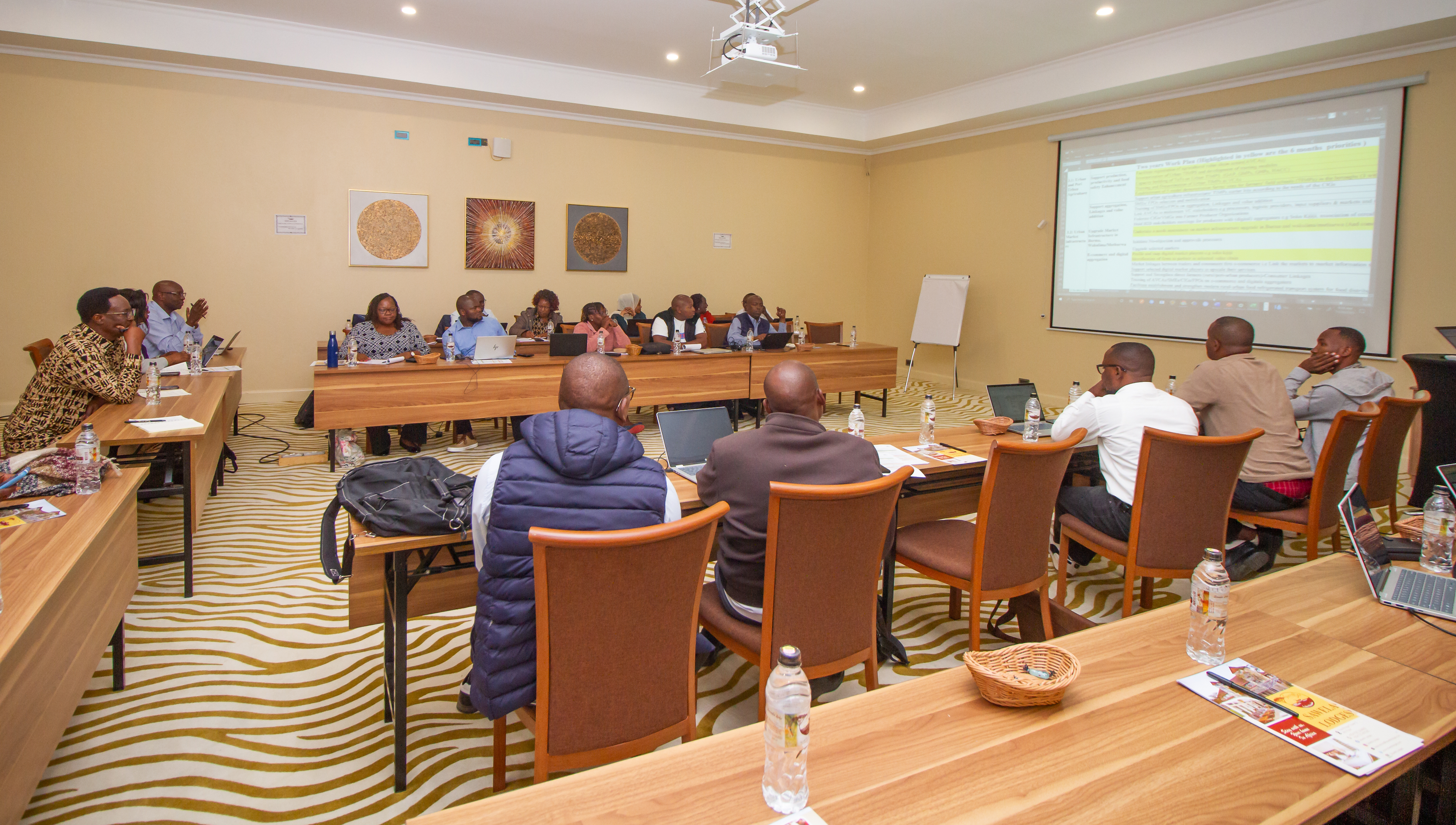
This sub-component aims to create an enabling institutional and policy environment for safe, healthy, and nutritious food systems in urban and peri-urban areas. It supports improved coordination across national and county governments, regulatory agencies, and private sector actors involved in food production, handling, and marketing.
The project will support the implementation of existing policies and regulatory frameworks related to urban food systems, as well as the development of new policies, strategies, and guidelines where gaps exist. Particular emphasis will be placed on supporting the Nairobi County Urban Food Systems Strategy and complementary frameworks in participating counties.
Capacity-building interventions will target public and private sector stakeholders to strengthen compliance, enforcement, and coordination across the food system. In total, 600 stakeholders are expected to be trained on relevant food safety, environmental, and agricultural legislation.