Climate-Smart Value Chain Ecosystem Investments
Component 2 of the National Agricultural Value Chain Development Project (NAVCDP) focuses on climate-smart ecosystem investments that strengthen agricultural value chains beyond farm-level production. The component is premised on the understanding that sustained increases in productivity, incomes, and resilience to climate change require coordinated investments across the entire value chain ecosystem—including irrigation, market infrastructure, digital systems, and research linkages.
The component contributes directly to the Project Development Objective of increasing market participation and value addition for targeted farmers by addressing structural bottlenecks that limit commercialization, climate resilience, and private sector engagement. Investments under this component are designed to reduce climate risk, lower post-harvest losses, improve resource-use efficiency, and reduce greenhouse gas emissions, while crowding in private investment and strengthening institutional capacity across national, county, and community levels
Component 2 is allocated US$ 100 million and is implemented through four complementary sub-components that together form a coherent climate-smart value chain ecosystem.
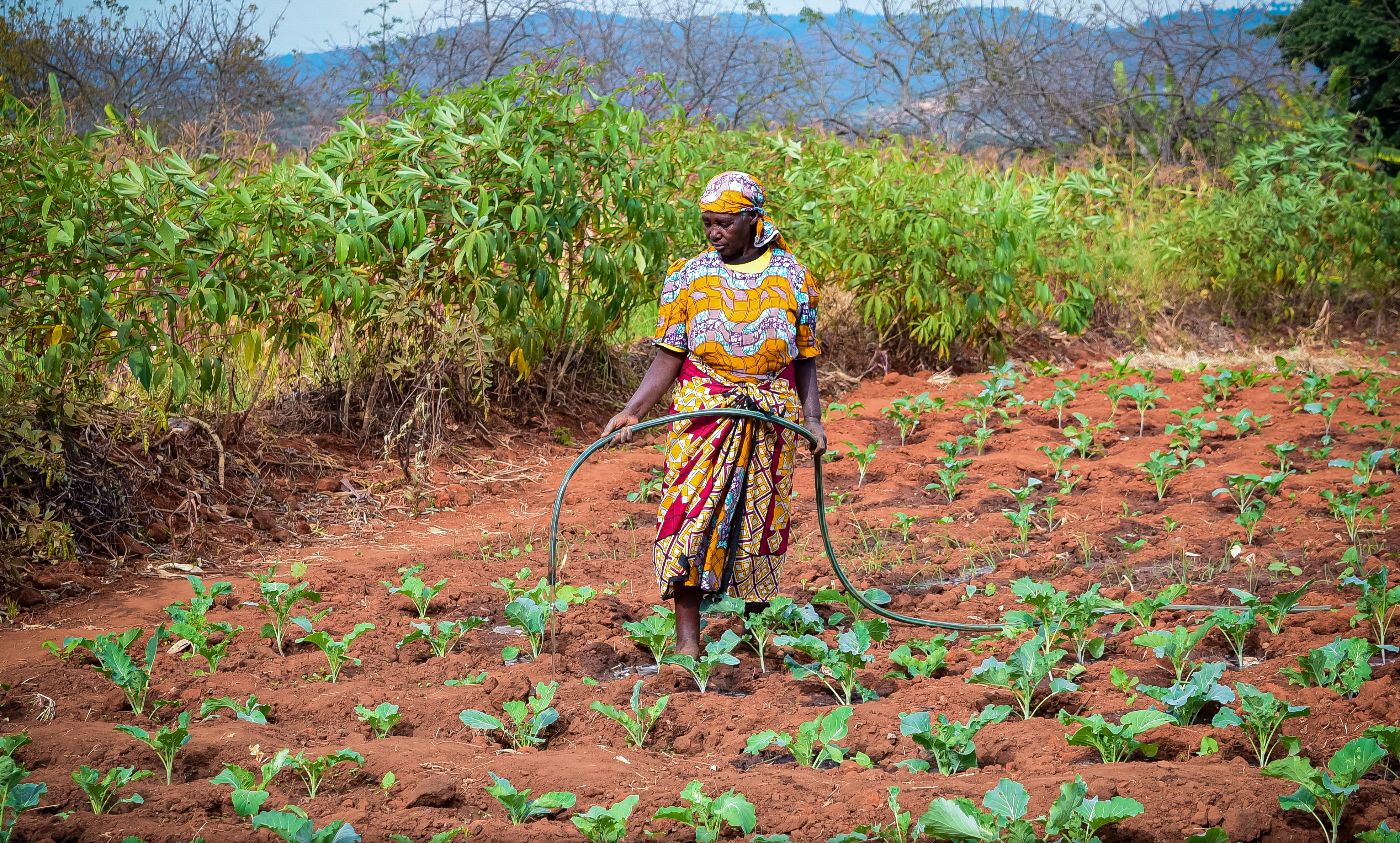
This sub-component aims to expand and modernize smallholder irrigation as a foundation for climate-resilient agricultural production. The focus is on increasing the area under irrigation, improving irrigation efficiency, and strengthening farmers’ capacity to manage water resources sustainably.
Investments support surface and shallow groundwater harvesting through infrastructure such as earth dams, water pans, farm ponds, shallow wells, and controlled abstraction from rivers and streams. Irrigation efficiency is promoted through adoption of water-efficient irrigation technologies and improved water-use practices. To enhance uptake, the project facilitates access to affordable financing mechanisms that enable farmers, Common Interest Groups (CIGs), and Farmer Producer Organizations (FPOs) to invest in irrigation infrastructure and modernize smallholder irrigation schemes.
By the end of the project, FLID interventions are designed to bring 20,000 hectares of land under new or improved irrigation services, contributing to higher productivity, climate resilience, and more reliable market supply.
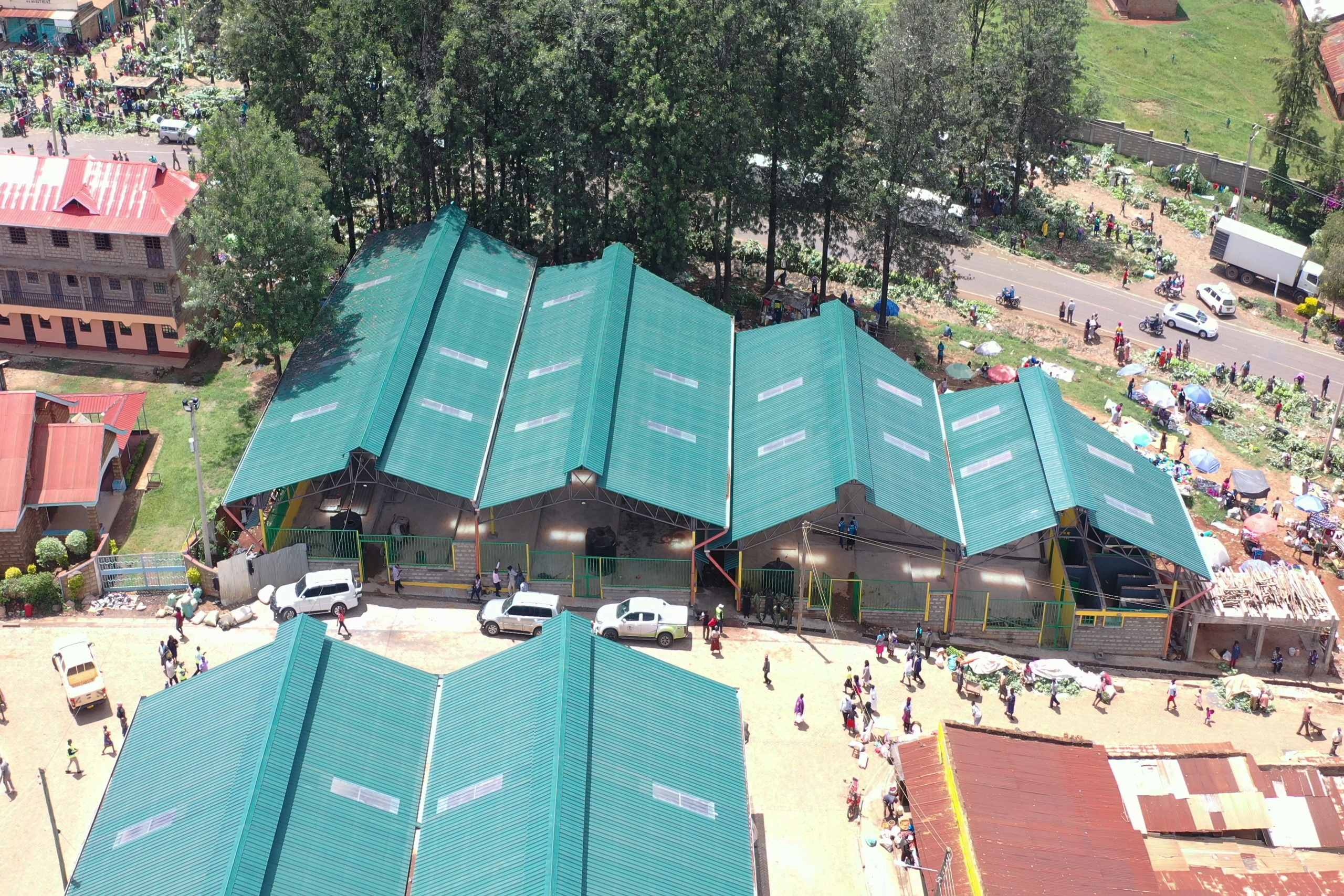
This sub-component focuses on improving the market competitiveness of smallholder farmers by addressing structural constraints related to aggregation, storage, value addition, logistics, and market information.
Investments are guided by Value Chain Development Plans (VCDPs) and include the development and upgrading of market infrastructure such as physical markets, aggregation centers, warehouses, packhouses, sale yards, and cold-chain facilities. These investments are explicitly informed by climate considerations, including reduction of post-harvest losses, food spoilage, and associated greenhouse gas emissions, while enhancing resilience across food value chains.
In parallel, the project strengthens market information systems and supports improved coordination among value chain actors through county, regional, and national value chain forums. These platforms are intended to crowd in private investment, strengthen linkages with agribusiness SMEs and off-takers, and support produce certification and quality compliance.
At full implementation, the sub-component targets the development or upgrading of 52 physical markets and aggregation centers, alongside a significant increase in the proportion of smallholder farmers using structured market infrastructure.
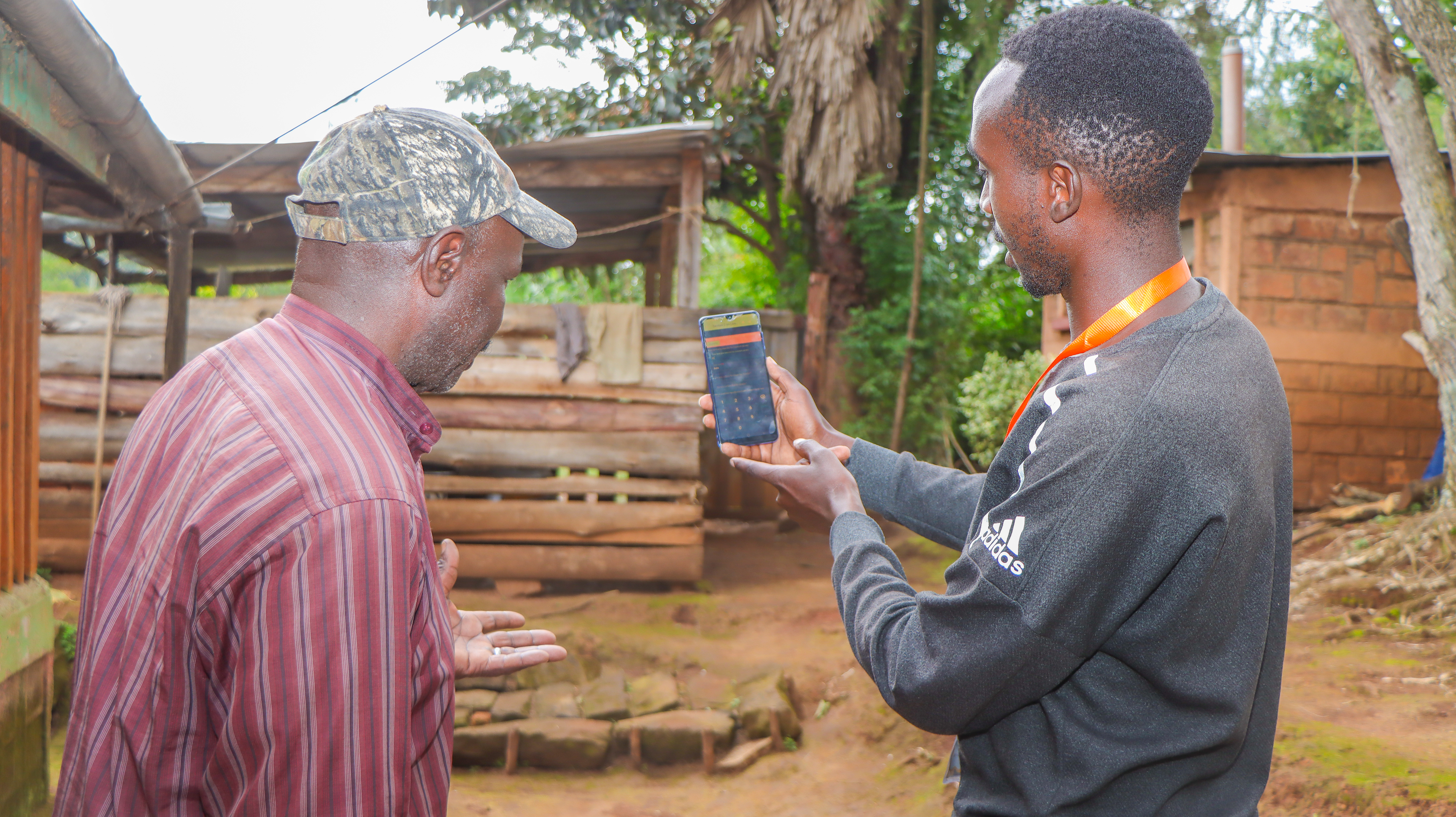
This sub-component supports the systemic adoption of digital agriculture technologies and the integration of big data systems to enable data-driven decision-making across value chains. Investments are implemented at both national and county levels to ensure that farmers, service providers, and policymakers can access and utilize reliable agricultural data.
Key pillars include:
- Scaling partnerships between county governments and agri-tech service providers;
- Strengthening the agripreneur model as a delivery mechanism for bundled digital and advisory services; and
- Enhancing the national Big Data Platform hosted by KALRO.
Through a collaborative digital ecosystem involving the National Project Coordinating Unit (NPCU), counties, KALRO, agripreneurs, and private sector actors, farmers are expected to access climate information services, climate-smart Technologies, Innovations and Management Practices (TIMPs), resilient inputs, market intelligence, digital financial services, and e-commerce solutions.
The sub-component is designed to support the development of 390 fully trained and market-ready agripreneurs, facilitate deployment of agripreneurs within value chains and value-chain-neutral institutions such as SACCOs, and enable at least 250,000 smallholder farmers to adopt digital solutions and services over the project life.
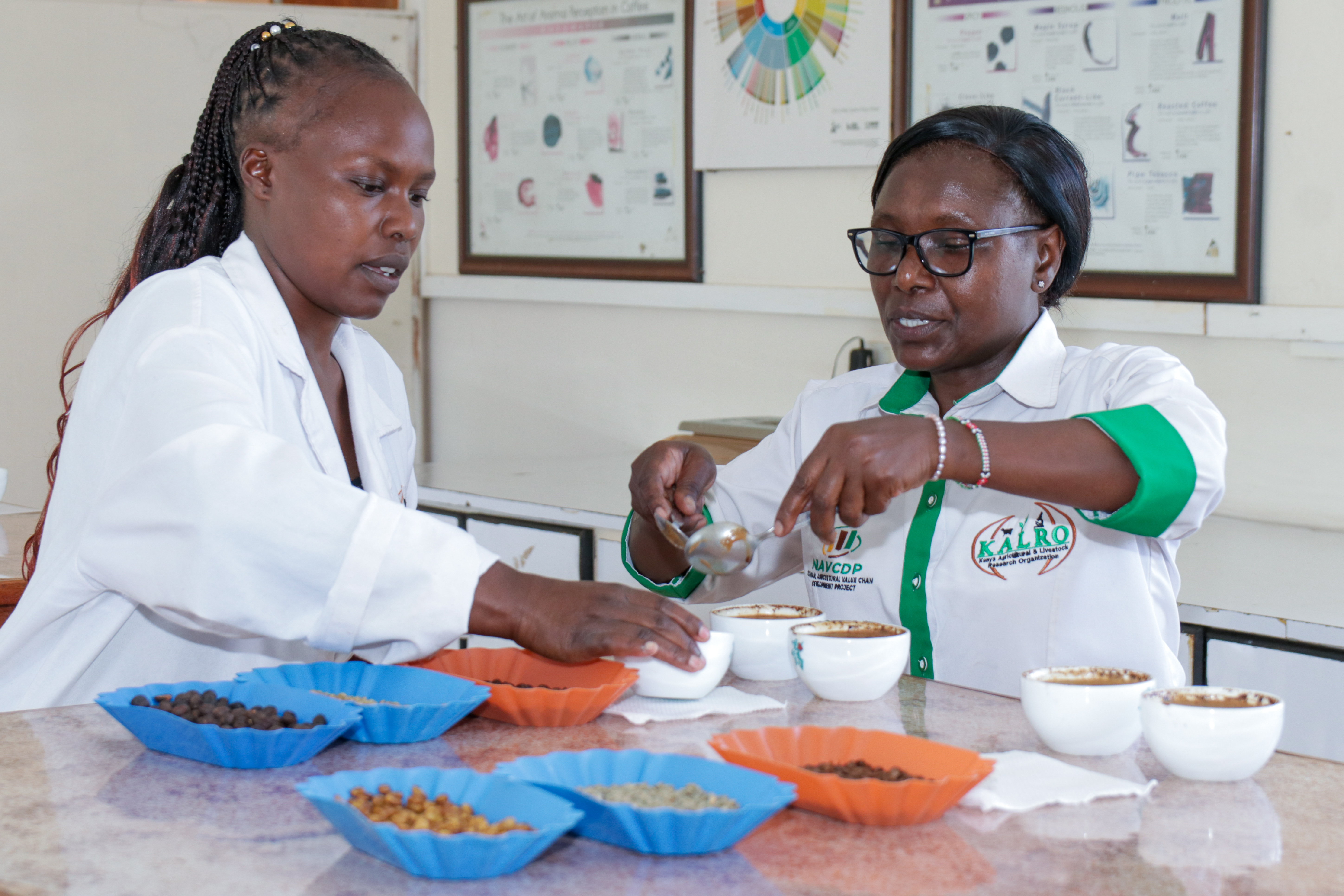
This sub-component strengthens the research–practice–policy interface required to anchor climate-smart value chain development. It supports KALRO and other research institutions to generate, validate, disseminate, and scale up climate-smart Technologies, Innovations and Management Practices (TIMPs) aligned to the project’s prioritized value chains.
Strategic research partnerships at national, regional, and international levels are promoted to ensure that proven innovations are translated into farmer-ready solutions. In parallel, the sub-component provides technical assistance for value chain development and builds implementation capacity within county-level institutions to sustain project investments.
By project completion, the sub-component is designed to support the dissemination of at least 500 climate-smart TIMPs for adoption across the project value chains.