CRI Stories
Strengthening Kenya’s Coffee Value Chain Through Research and Quality Planting Materials
Kenya’s coffee sector is undergoing a deliberate transformation, one anchored in science, innovation, and strong partnerships with farmers. At the centre of this effort is the Coffee Research Institute (CRI), one of the institutes under the Kenya Agricultural and Livestock Research Organization (KALRO).
According to Dr. Cecilia Kathurima, Chief Research Scientist at CRI, the Institute plays a critical role across the entire coffee value chain.
“We work with farmers from seed to cup,” she explains. “Our mandate is to ensure that every stage of coffee production, from planting to processing, meets the highest standards of quality, productivity, and sustainability.”
Research Support from Seed to Cup
The Coffee Research Institute supports farmers with technologies and best practices covering:
- Seed selection and seed production
- Establishment of coffee plants
- Crop nutrition and soil health
- Pest and disease management
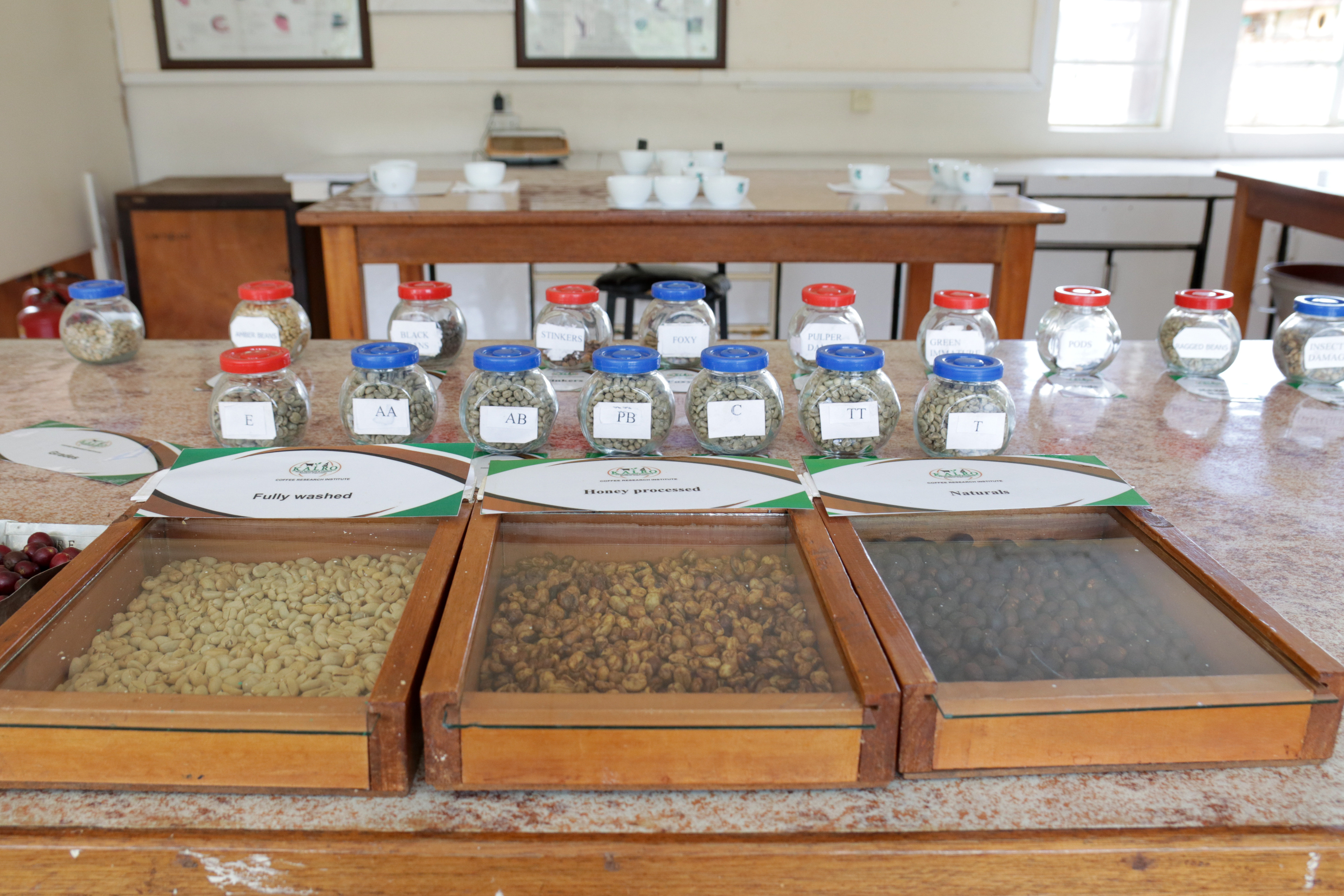
- Coffee processing and quality assurance
This comprehensive approach ensures that coffee produced by farmers is not only productive but also meets market and consumer standards.
NAVCDP Support Strengthening Seed and Seedling Production
The National Agricultural Value Chain Development Project (NAVCDP) has played a pivotal role in strengthening the Institute’s capacity to deliver quality planting materials to farmers.
According to Dr. Jane Chiserek, a Breeder at CRI, NAVCDP support significantly boosted coffee seed production.
“In seed production, the program supported the procurement of essential inputs, which strengthened our production capacity,” she notes. “It also supported the installation of a drip irrigation system covering approximately two acres, greatly improving both the quantity and quality of seed produced.”
This investment has enabled the Institute to consistently supply high-quality coffee seed to farmers, even under variable climatic conditions.
Expanding Seedling Supply Across Coffee-Growing Counties
Beyond seed production, NAVCDP has also strengthened coffee seedling production through support to nurseries.The Coffee Research Institute currently operates five coffee nurseries located in:
- Naro Moru
- Kitale
- Nambole (Bungoma County)
- Koru (Kericho County)
- Mariene (Meru County)
Through this expanded capacity, the Institute has supplied over 500,000 coffee seedlings to farmers across all coffee-growing counties in Kenya, supporting both new plantings and the replacement of old, unproductive trees.
Building Skills Through Training and Agripreneur Support
NAVCDP also supported training activities delivered through rollout teams, focusing on both farmers and agripreneurs involved in coffee production.
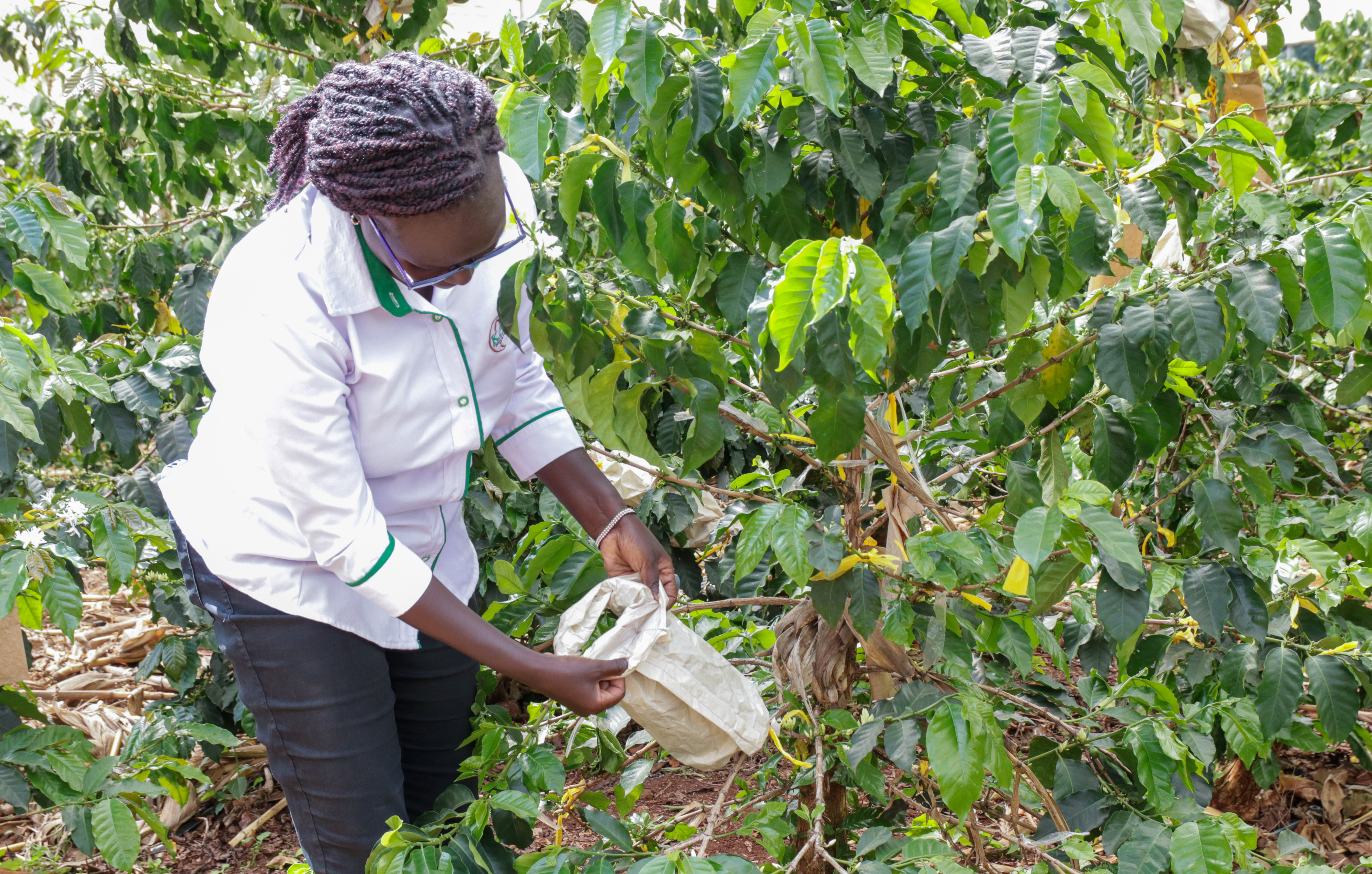
“These trainings provided practical skills on nursery establishment and management,” Dr. Chiserek explains. “We also focused on grafting techniques, helping farmers transition from traditional coffee varieties to improved varieties such as Ruiru 11 and Batian.”
This capacity building has strengthened local expertise, improved seedling quality, and supported the growth of agripreneur-led nursery enterprises within coffee-growing regions.
Looking Ahead: Scaling Up for National Coffee Targets
Looking to the future, continued investment in quality planting materials remains critical. The Government of Kenya aims to increase national coffee production to about 150,000 metric tons by 2028, a target that depends heavily on access to improved varieties.
“To achieve this,” Dr. Chiserek notes, “we plan to increase production capacity by establishing at least three acres of clonal mother gardens in every county.”
These mother gardens will supply scions for grafted seedlings, particularly for Ruiru 11, ensuring faster maturity, higher yields, and improved disease resistance. In addition, the Institute aims to strengthen tissue culture production capacityto further expand the availability of high-quality planting materials.
Research as a Foundation for Coffee Sector Transformation
The partnership between CRI, KALRO, and NAVCDP demonstrates how targeted investments in research, infrastructure, and human capacity can unlock productivity across the coffee value chain. By ensuring farmers have access to quality seed, seedlings, and knowledge, the program is laying a strong foundation for a more competitive, resilient, and sustainable coffee sector in Kenya.