
Contingent Emergency Response
This component provides a rapid-response financing mechanism to support farmers and other agricultural value chain actors in the event of a natural disaster or severe shock affecting the agricultural sector. The component is designed to enhance the project’s flexibility and responsiveness by enabling timely reallocation of resources to address urgent needs arising from climate-related or other unforeseen emergencies.
The primary objective of this component is to support swift recovery of agricultural production and livelihoods, minimize disruption to food supply systems, and safeguard the sector’s contribution to local and national economies. Rather than pre-defining activities, the component allows for context-specific interventions that are tailored to the nature, scale, and geographic scope of the emergency.
The Contingent Emergency Response Component (CERC) enables the Government to temporarily reallocate funds from other project components to finance eligible emergency activities, ensuring that immediate response measures can be implemented without delay.
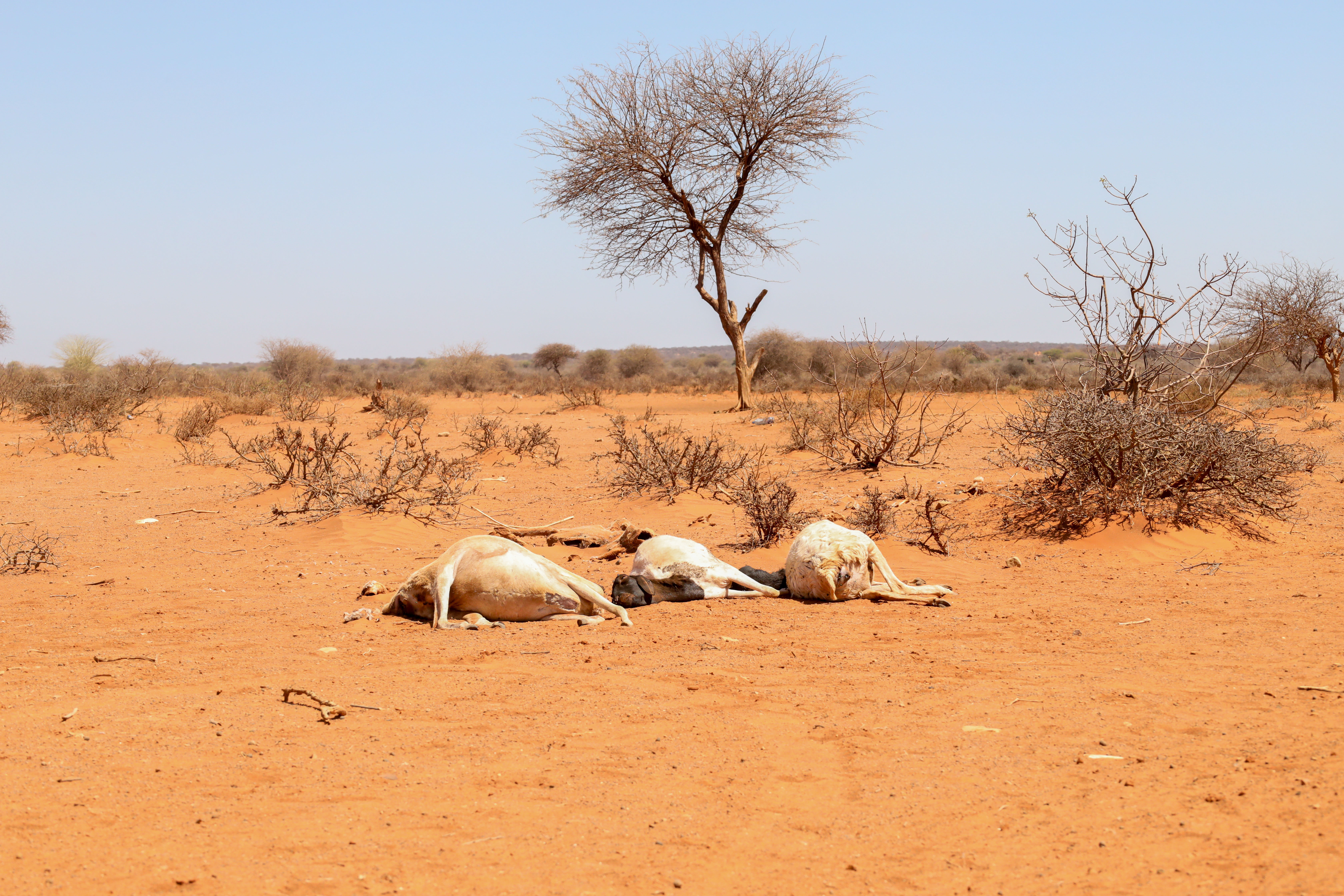
This sub-component operationalizes the project’s emergency response capacity. In the event of an eligible emergency, support may be provided to affected farmers and agricultural stakeholders through interventions such as restoration of productive assets, rehabilitation of critical agricultural infrastructure, provision of inputs, and other recovery measures necessary to stabilize agricultural systems.
Access to financing under this sub-component is triggered through a formal request to the National Treasury, following confirmation of the emergency and identification of priority response activities. Once activated, implementation is guided by the procedures and safeguards set out in the Immediate Response Mechanism Operations Manual (IRM-OM), ensuring compliance with fiduciary, environmental, and social requirements.
By embedding this mechanism within the project design, Component 6 strengthens NAVCDP’s capacity to respond quickly to shocks, protect development gains, and support resilient recovery of the agricultural sector.